Leave Your Message
In the fast-changing world of urology, picking the right Ureteral Catheter isn’t just some small detail — it really makes all the difference when it comes to patient outcomes. As lots of industry reports, like the Global Ureteral Catheters Market Analysis, have pointed out, there's a huge rise in demand for precision-engineered catheters. That’s mainly because of advances in minimally invasive surgeries and an aging population that’s more in need of urological treatments.
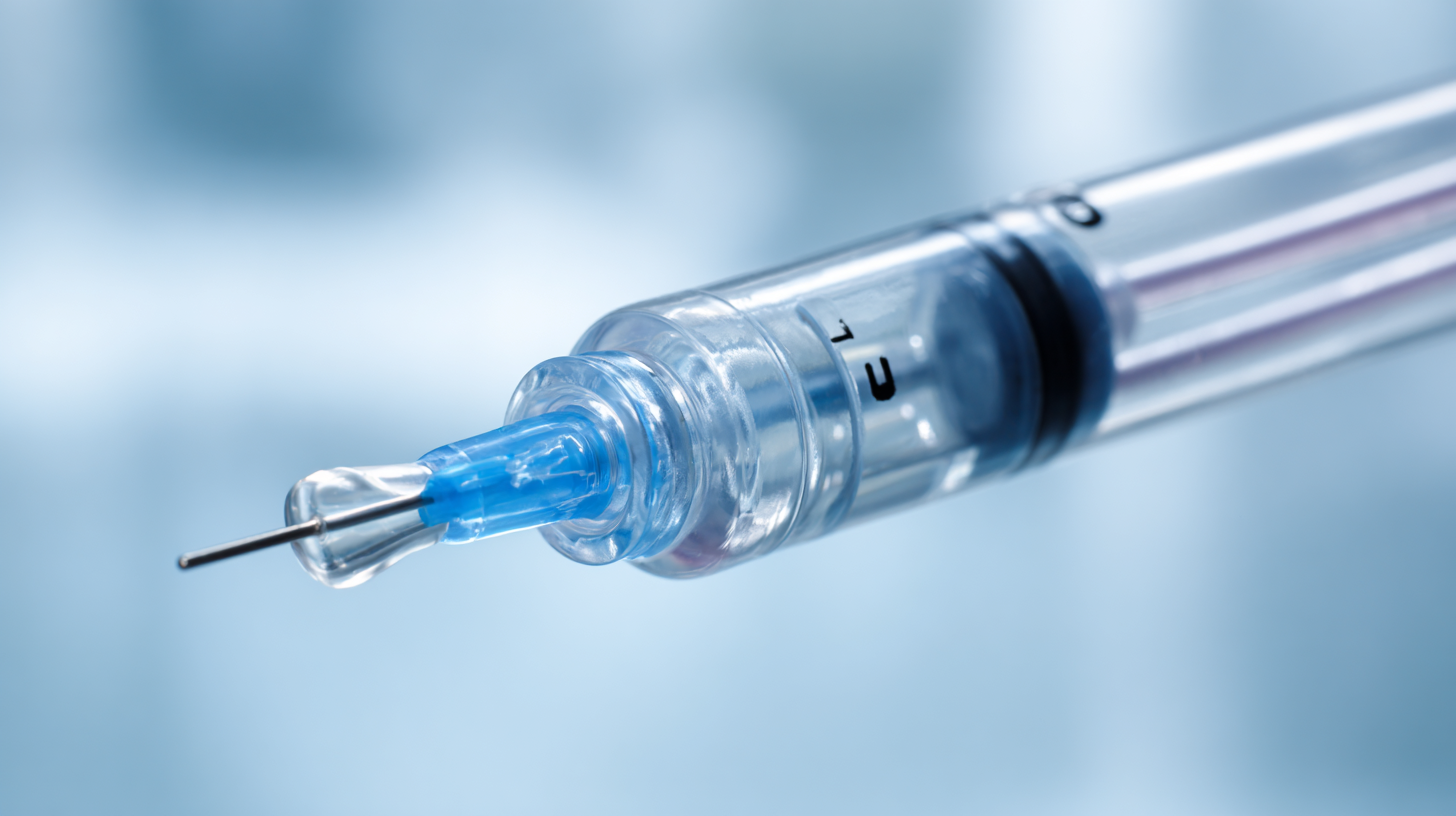
At Tianck Medical Co., Ltd., we’re all about improving health results, and that’s why we focus on designing high-quality, innovative Ureteral Catheters that match what doctors and their patients actually need. It’s also super important for healthcare providers to understand the differences between catheter types — like the materials, sizes, and design features — because that knowledge helps them deliver better treatment and keep patients safer, especially in complex medical situations.
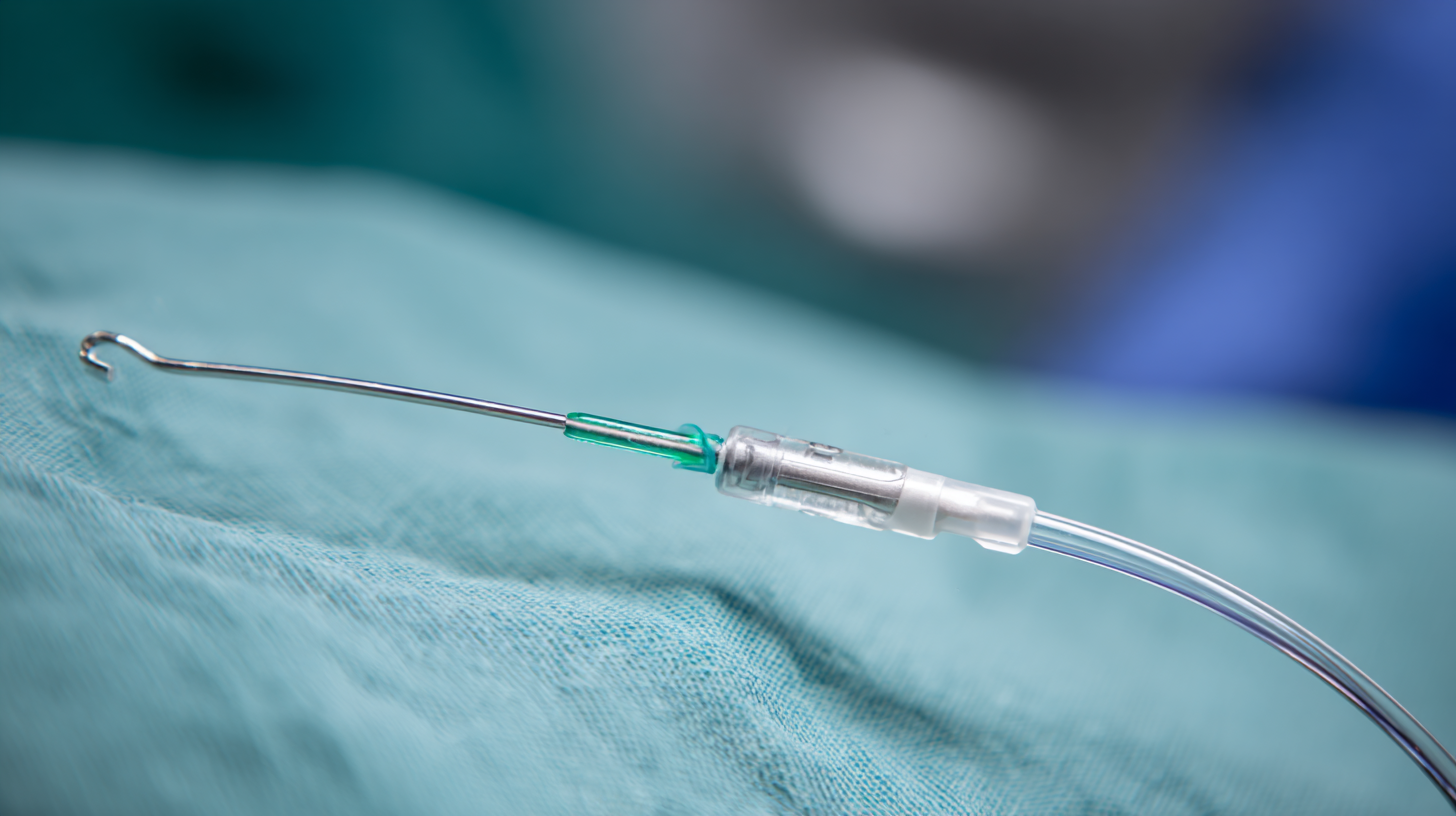
So, when you're picking out a ureteral catheter, there are a few key things you really want to keep in mind to make sure it’s the right fit for that person’s specific needs. First off, the size and type matter a lot. These catheters come in all kinds of diameters and lengths, so getting the right size is super important—too small might not drain properly, and too big could cause some damage to the ureter. Then, there's the material. You’ll often see silicone or latex options. Silicone tends to be a favorite for long-term use because it’s more biocompatible and less likely to cause infections, which is definitely a plus.
Besides that, you want to look at the design and special features of the catheter. Some of them come with fancy stuff like anti-reflux valves or coatings that help reduce friction, which can make the patient more comfortable and lower the chance of complications. Another thing to think about is how long the catheter needs to stay in—this affects what material and design will work best. And of course, you should always consider the patient’s overall health, any existing urinary issues, and what the catheter is for, so everything lines up just right. All these little factors add up to help choose the best option and keep things safe and smooth for the patient.
Cardiovascular diseases remain a leading cause of morbidity and mortality across the globe, necessitating the development of innovative solutions for effective treatment. Among these advancements, the PTA (Percutaneous Transluminal Angioplasty) Balloon Catheter has emerged as a crucial instrument in modern interventional cardiology. This minimally invasive device is specifically designed to address narrowed or blocked blood vessels, a common complication associated with conditions like atherosclerosis. According to recent studies, the use of balloon catheters in angioplasty has been shown to significantly improve patient outcomes, with success rates exceeding 90% in many clinical settings.
The PTA Balloon Catheter operates by inserting a flexible tube into the affected blood vessel, with its inflatable balloon positioned at the location of the blockage. Once in place, the balloon is inflated, exerting pressure on the plaque or lesions that are restricting blood flow. This mechanism not only compresses the obstructive tissue against the vessel wall but also contributes to endothelial healing post-procedure. Data from industry reports indicate that over 1.5 million angioplasty procedures are performed annually in the United States alone, underscoring the demand for reliable and effective catheter technologies. The continuous evolution of PTA balloon designs, including advancements in materials and balloon technology, has led to improved performance and reduced complication rates, marking a significant stride in cardiovascular care.
As healthcare professionals strive to enhance treatment protocols, the PTA Balloon Catheter exemplifies how innovation can facilitate better management of cardiovascular diseases, ultimately leading to improved patient quality of life and reduced healthcare costs. With ongoing research and development, the future of cardiovascular interventions looks promising, paving the way for more efficient and effective therapeutic strategies.
: The primary types of ureteral catheters include double-J catheters, antegrade catheters, and suprapubic catheters.
Double-J catheters are commonly used for ureteral obstruction and managing conditions like kidney stones and postoperative drainage.
Antegrade catheters are used when direct access to the renal pelvis is required, facilitating urine flow from the kidney to the bladder, especially in patients with impaired bladder function.
Suprapubic catheters are used when urinary catheterization through the urethra is impossible due to obstructions or injuries, as they are inserted directly into the bladder through the abdominal wall.
Consulting healthcare professionals is crucial as they can provide guidance on the most suitable catheter based on individual patient needs and specific medical conditions, influencing patient comfort and procedure efficacy.
The choice of catheter can significantly reduce complications and impact patient comfort, with studies indicating that appropriate selection can decrease complications by up to 30%.
Patients should communicate any prior experiences with catheters, as this information can help healthcare providers recommend the most suitable option.
Common materials include silicone and latex. Silicone catheters are often preferred as they are associated with fewer encrustations compared to latex alternatives.
Research indicates that patients who actively engage in the decision-making process report higher satisfaction levels with their care.
Patients should not hesitate to ask their healthcare team about the pros and cons of each catheter type to make well-informed choices for better health outcomes.
When you're choosing a ureteral catheter, there are quite a few important things to keep in mind to make sure you get the best possible outcome. It’s not just about picking any catheter — you’ve got to think about the specific medical needs of the patient, what types of catheters are out there, and when each one is the right fit. Plus, understanding what materials these catheters are made of, and knowing their pros and cons, can really make a difference in how well they work. Size matters too — choosing the right size can help avoid complications and keep the patient comfortable.
On top of that, it’s a good idea to be aware of common issues that might come up with ureteral catheters and how to prevent them. Working closely with healthcare pros is super helpful — it helps patients and caregivers make smarter choices and find the best catheter for their specific situation. Here at Tianck Medical CO., Ltd., we’re all about providing high-quality, precisely engineered ureteral catheters that meet the changing needs of doctors and patients alike. Our goal is to help improve patient outcomes and make healthcare better worldwide.